COA
per lot
Lyophilized
powder
−20 °C
sealed
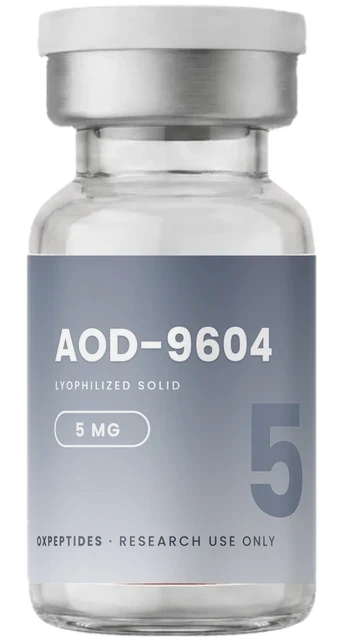
AOD-9604
16-amino-acid fragment (177-191) of human growth hormone · purity spec. >99% HPLC
Lab results · an independent third-party laboratory · analysis pending for the first batch
View lab resultsSubscribe & save −15%
Every delivery at the plan price.
$68for 5 mg · instead of $80
- Best price, on every delivery
- Pause or skip a delivery
- Cancel anytime, from the e-mail
- +160 pts per delivery
One-time purchase
No commitment — reorder whenever you want.
$80for 5 mg
Code FIRST20 · extra −20% on your first order.
Research use only. Not for human or veterinary use.
Ships to the US · 5–10 business days · $19, free from $150
- Lab-tested qualityCOA per lot, independent lab
- Tracked shippingfrom California, plain box
- 14-day returnssealed vials, refunded in 10 days
- Secure paymentVisa, Mastercard, Apple & Google Pay
After you order
Order timeline, step by step
Next
Packed
1–2 business days
Sealed vials, cold-packed, the lot number on the slip.
Then
Shipped
tracked, from California
Handed to the carrier. The tracking link lands in your inbox.
Estimated
Delivered
5–10 business days
At your door, in a plain box with nothing on the outside.
If nothing moves for 48 hours, reply to your confirmation e-mail: a person reads it and chases the carrier for you.
Refund policy →No reviews yet. Every review published here will come from a verified order.
$82 more for free shipping (from $150) · a free vial of Selank 5 mg from $250.
More ways to save — volume & add-on, stacks with your plan
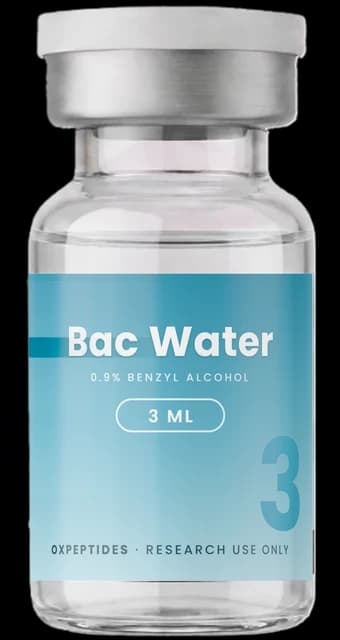
Add Bacteriostatic Water 3 mL · +$6.80 / delivery
Specifications
CAS number
221231-10-3
Purity spec
>99% HPLC
Temperature
−20 °C, sealed (short term ≤ 4 weeks: 2 to 8 °C)
Shelf life
24 months (lyophilized, sealed)
Keep sealed, protected from light and moisture
In the literature
AOD-9604 is a synthetic 16-amino-acid peptide corresponding to the C-terminal residues 177-191 of human growth hormone with an added N-terminal tyrosine, supplied as a lyophilized powder in a sealed vial. It is a fragment, not the hormone.
The 177-191 fragment was characterised at Monash University (Ng et al., 2000) and is studied in cellular and animal models; it carries no growth-hormone-receptor activity.