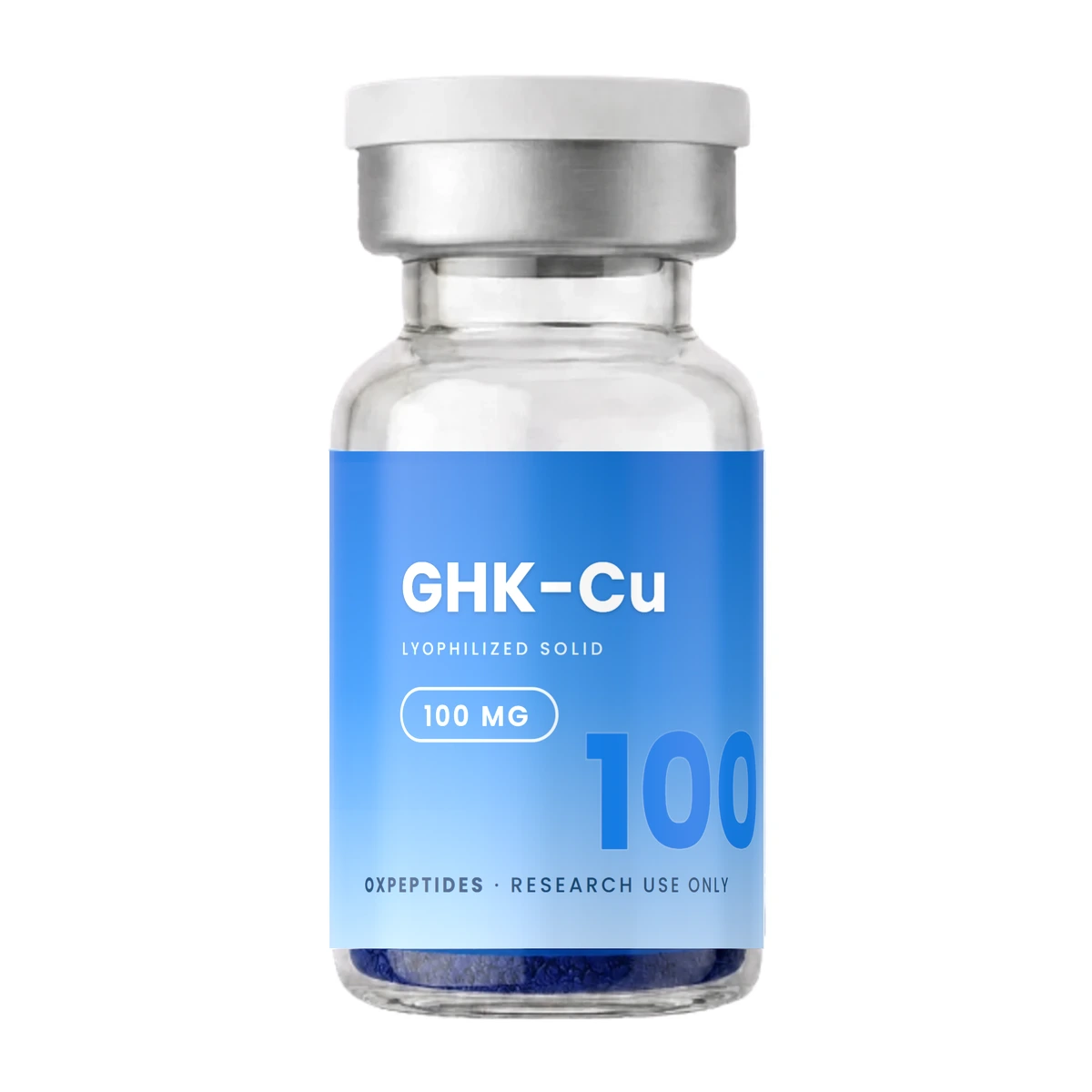
What it means to buy research peptides
A research peptide is a short amino-acid chain — usually 2 to 50 residues — built by solid-phase peptide synthesis and supplied as a freeze-dried (lyophilized) powder in a sealed glass vial. When you buy research peptides, you are buying a laboratory reagent, not a medicine: every legitimate vial carries the line "for research use only, not for human or animal use," and the compounds are reconstituted with bacteriostatic water before any in-vitro or preclinical model work. That distinction is the whole game. It changes what you should expect from a supplier, what documentation you should demand, and how you should store the material once it arrives.
The reason this matters more in 2026 than it did five years ago is that the catalogue of peptides worth studying has grown sharply. Triple-receptor agonists such as retatrutide now sit on landmark clinical data, and decades-old workhorses such as BPC-157 rest on hundreds of peer-reviewed reports. The volume of researchers buying these compounds has risen with the literature — and so has the number of low-quality vendors riding the wave. A sourcing playbook is no longer optional.
The three signals that separate a supplier worth buying from
Strip away the marketing and a trustworthy research-peptide supplier reduces to three verifiable signals. Everything else — testimonials, badges, stock photos — is noise.
1. A lot-specific Certificate of Analysis
The Certificate of Analysis (COA) is the document that ties the powder in your vial to an actual measurement. A useful COA states the lot number, the HPLC purity figure, the molecular mass measured by mass spectrometry, and the date of analysis. It should also name the testing laboratory — Janoshik Analytical and similar third-party labs are common in this space. A supplier that cannot produce a lot-specific COA on request has either not run the analysis or does not want you to see it. Either way, you are buying blind. We supply a lot-specific COA on request for every batch we ship.
2. HPLC purity confirmed by mass spectrometry
Peptide synthesis is additive, and every coupling step yields slightly less than 100%. The result is a crude product contaminated with truncated sequences — peptides missing one or more residues. Preparative HPLC removes most of them; the final purity is reported as the percentage of the target peak in the HPLC trace, measured by UV detection at 214 nm. But HPLC alone only tells you the sample is pure, not that it is the rightmolecule. That is why a serious COA pairs the HPLC number with an ESI-MS or MALDI-TOF mass-spectrometry result confirming the molecular weight. Treat >98% as the floor and >99% as the standard.
3. Tracked, plainly-labeled logistics
The third signal is operational rather than analytical. A supplier worth buying from ships with a real tracking number from a real carrier, in plain outer packaging that does not name the contents, and — for temperature-sensitive sequences — with insulation. Untracked drop-shipping means no accountability: if the parcel never arrives, there is no record that it ever left. For a full breakdown of carriers, transit windows and the packaging we use, see our shipping policy.
The research peptide category map
Research peptides are usually grouped by the system they are studied in. The map below is the fastest way to find the compound that matches your research question; each link leads to the product page with reconstitution notes, storage data and published findings. For the full line-up in one place, see the research peptides catalog.
| Category | Compounds | What it is studied for |
|---|---|---|
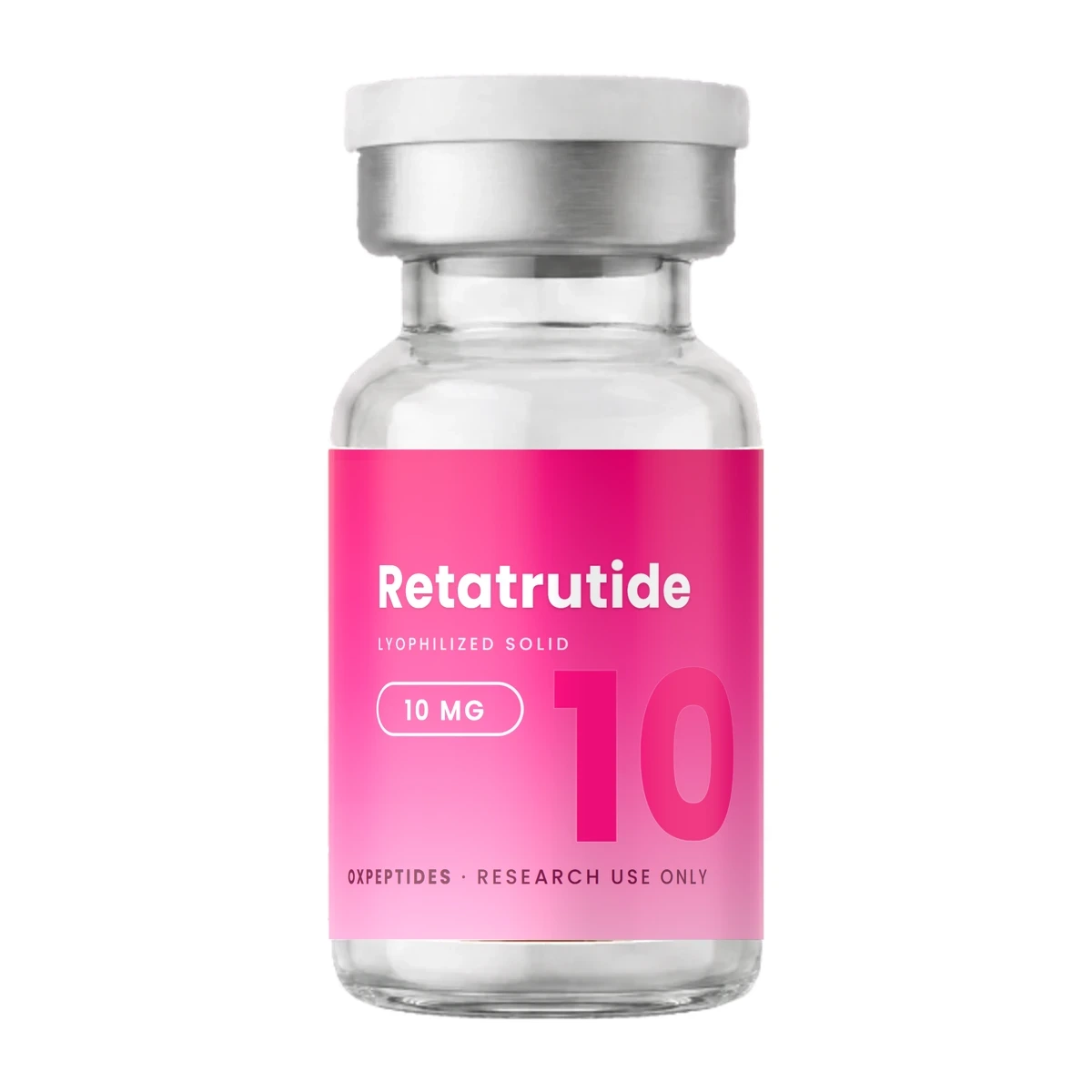
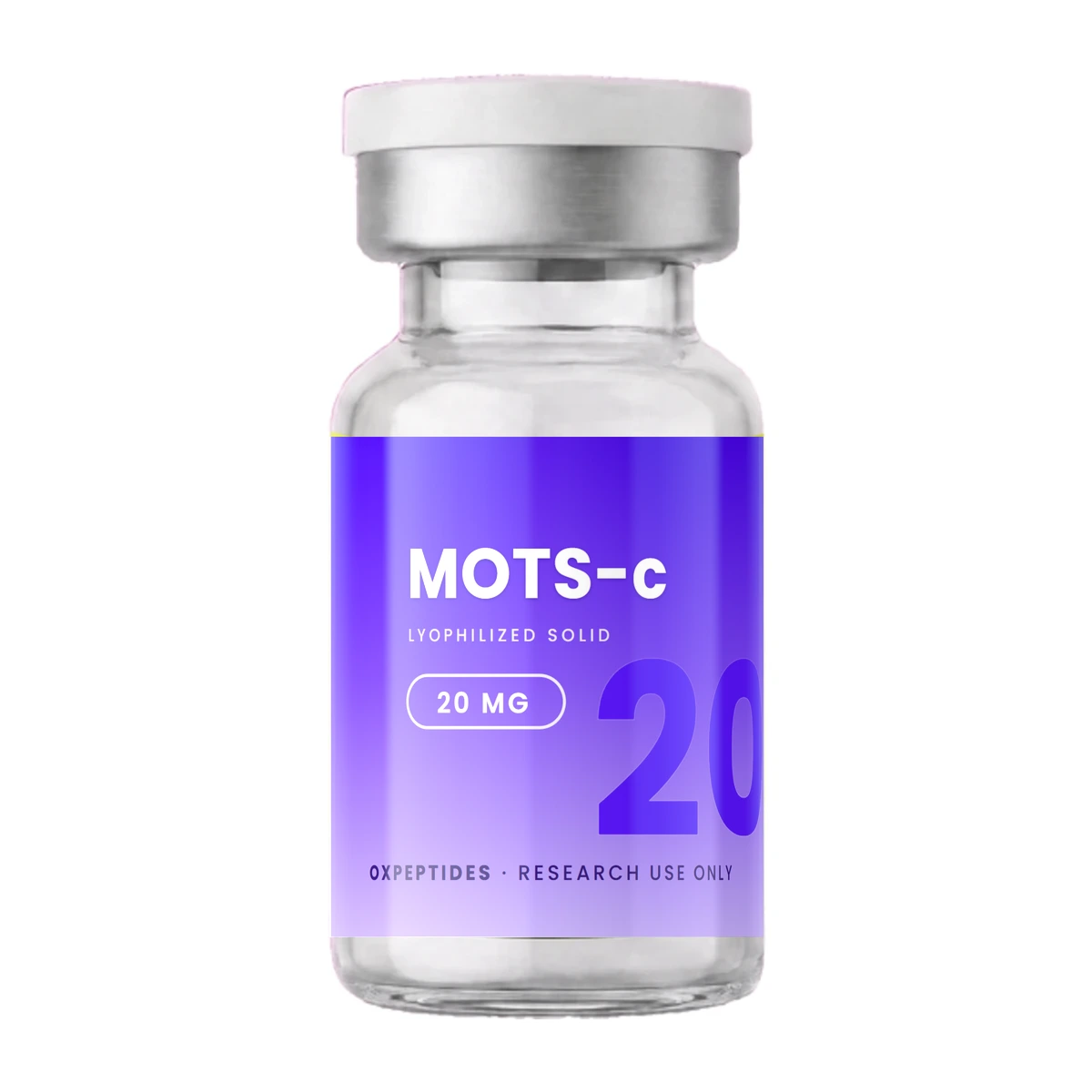
| Metabolic research | Retatrutide, MOTS-c | Incretin and mitochondrial-derived peptides studied for body-weight, glucose and lipid endpoints. |
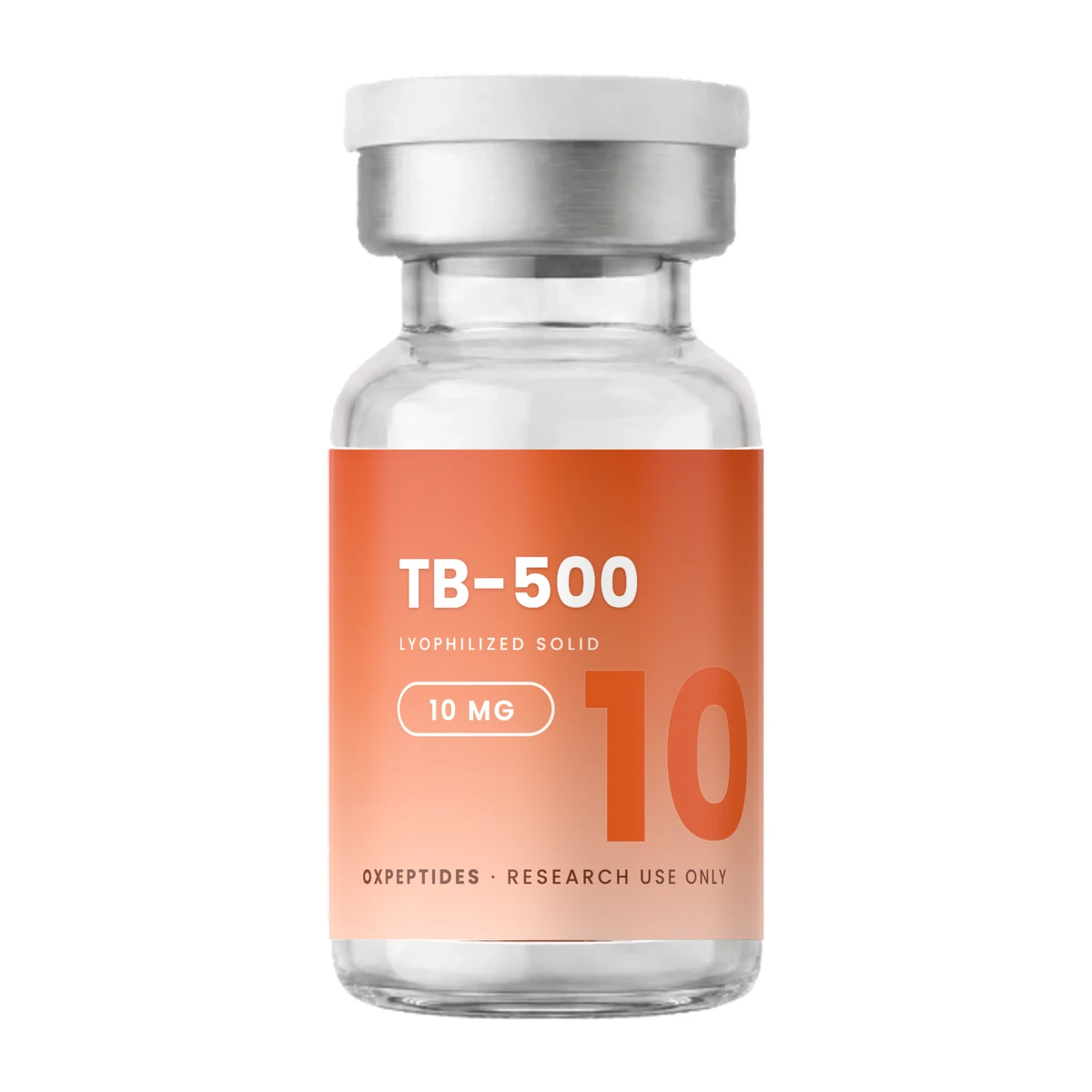
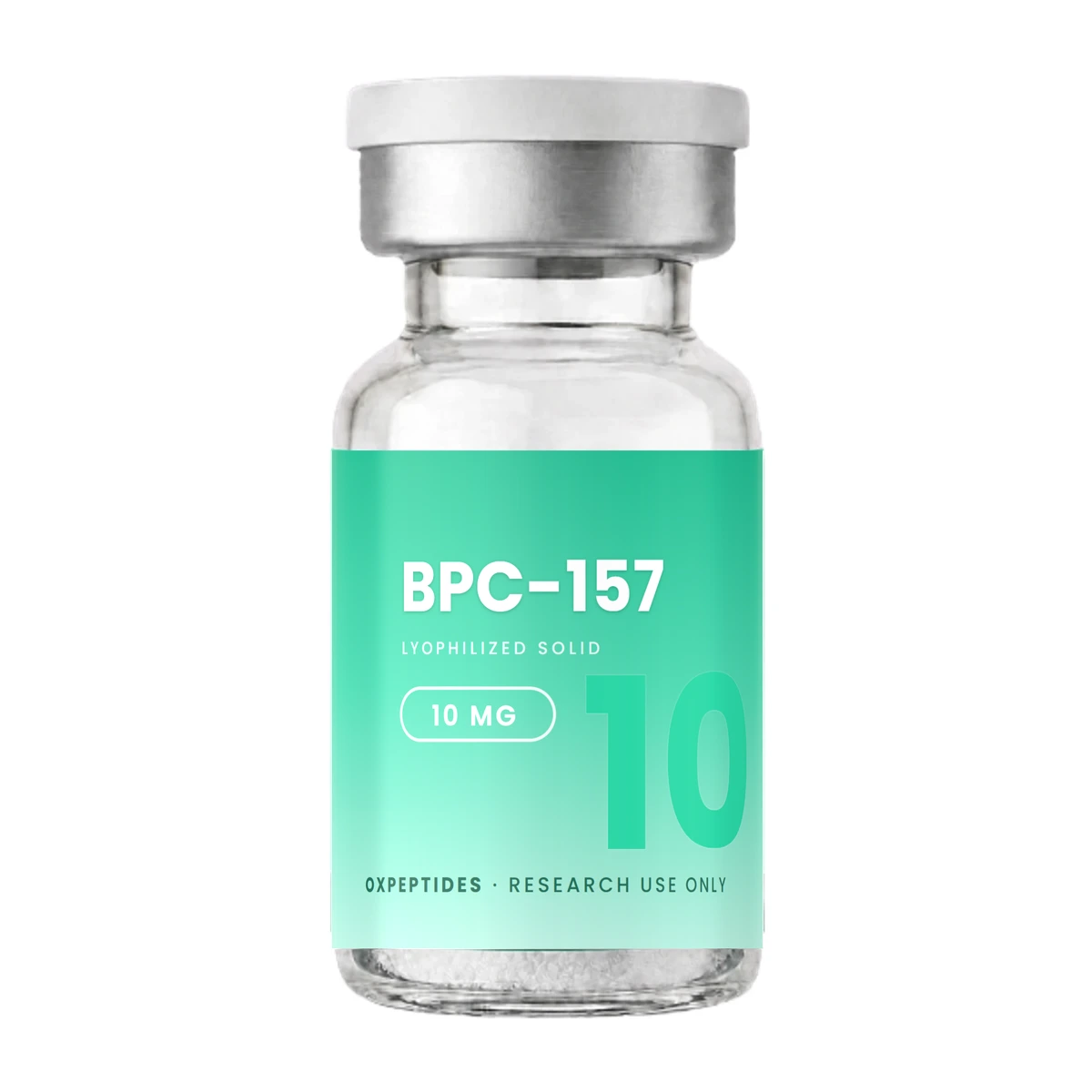
| Regeneration & repair | BPC-157, TB-500 | Cytoprotective and actin-regulating peptides studied in tendon, muscle and gut-lining models. |
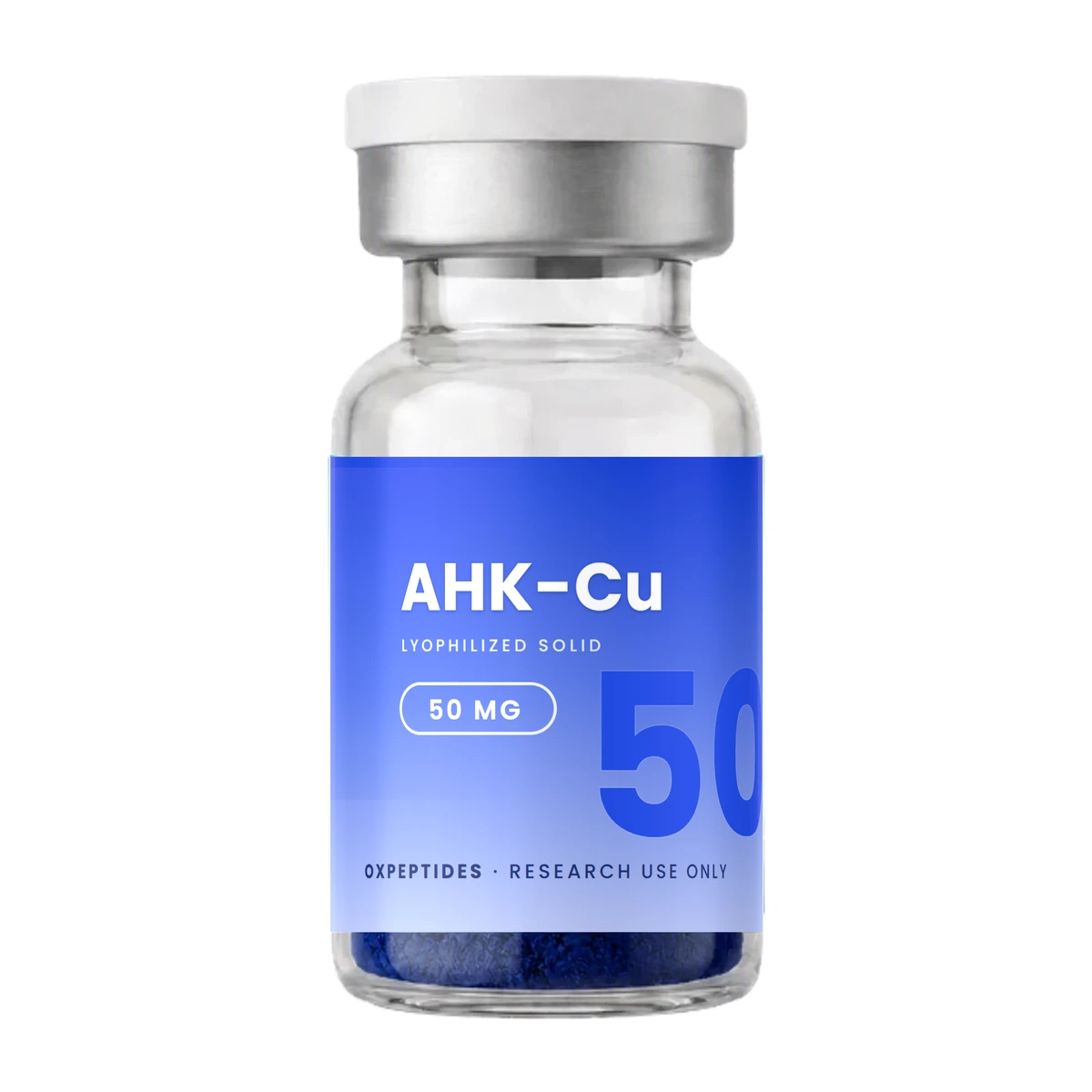
| Dermal & follicular research | GHK-Cu, AHK-Cu | Copper tripeptides studied for matrix remodeling, antioxidant signaling and angiogenesis. |
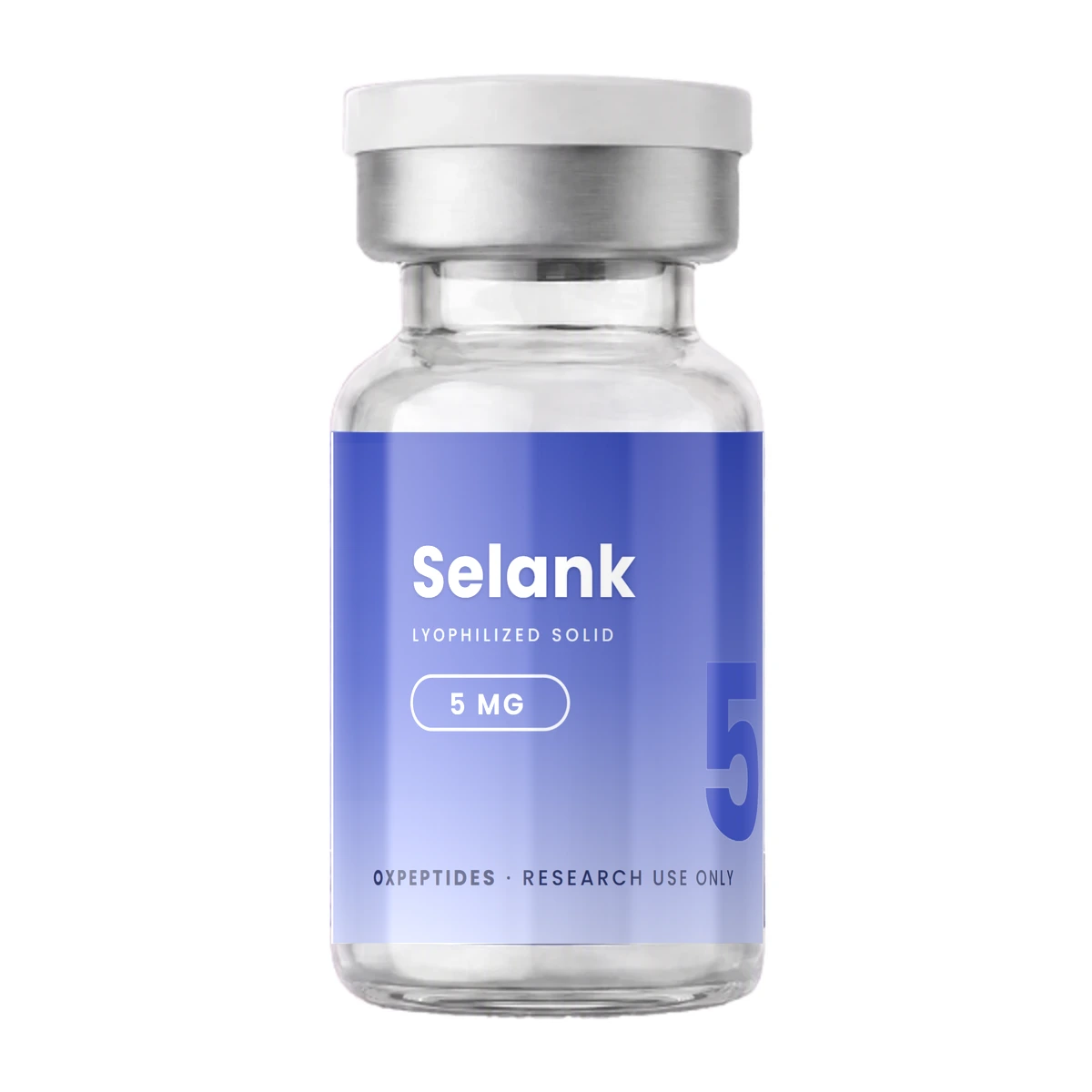
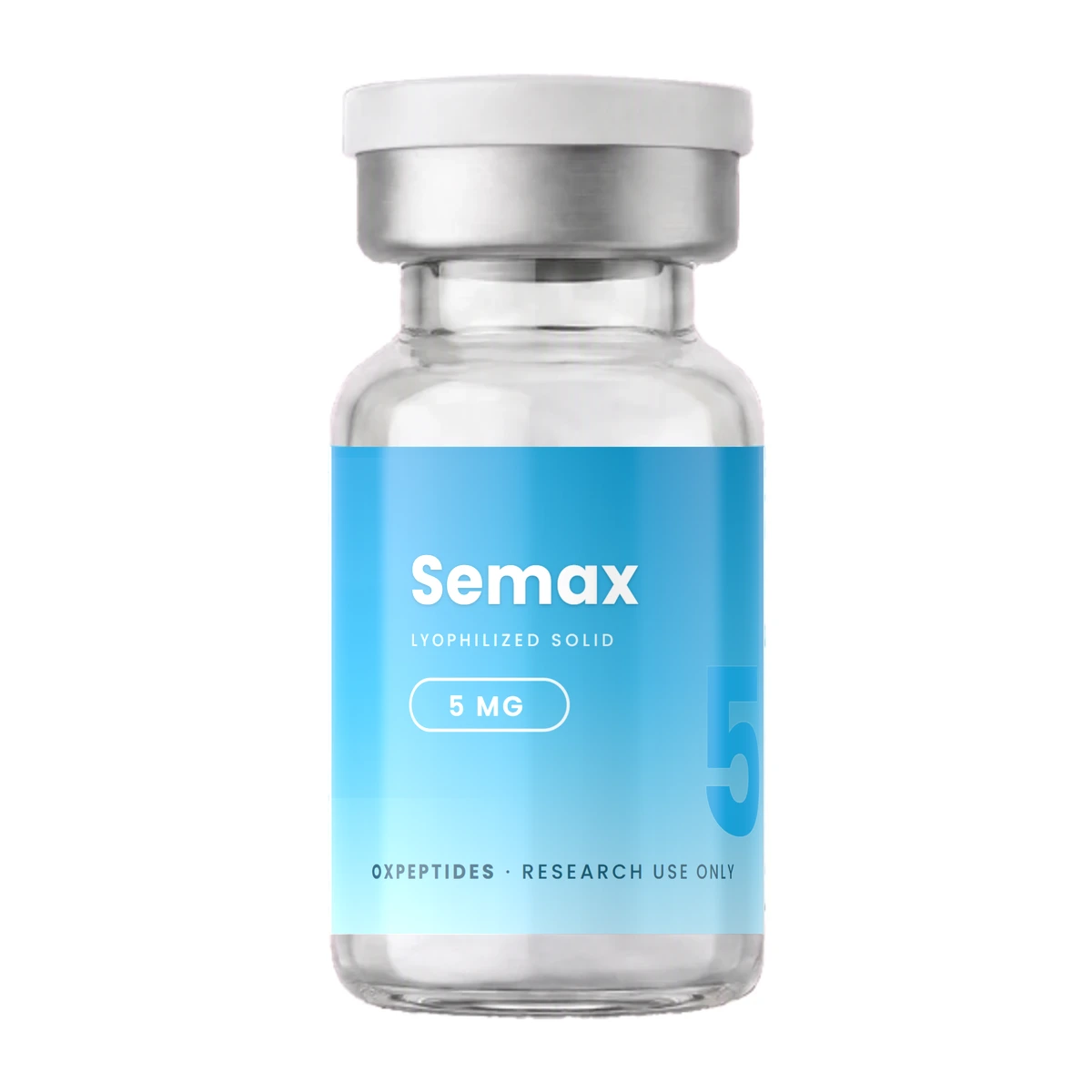
| Neurocognitive research | Selank, Semax | Russian-origin regulatory peptides studied for BDNF modulation and anxiolytic-like endpoints. |
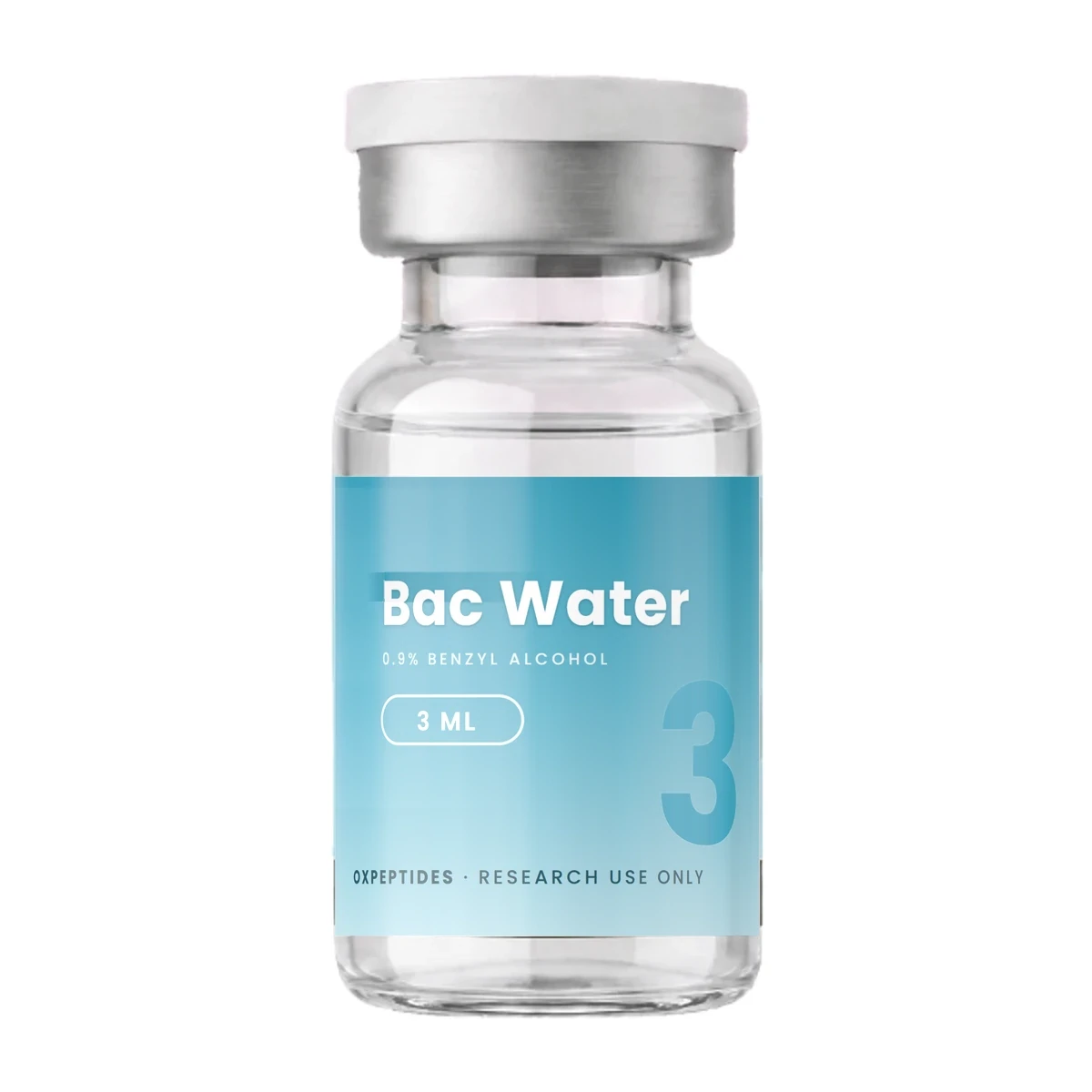
| Coenzyme & diluent | NAD+, Bacteriostatic Water | Support reagents that accompany most peptide research workflows. |
Where to start by research area
For metabolic research, retatrutide is the flagship of the decade — the NEJM Phase II trial (Jastreboff et al., 2023) reported a mean −24.2% body-weight effect over 48 weeks, and the TRIUMPH Phase III program is now enrolling thousands of subjects. On the endogenous side, MOTS-c is a 16-residue mitochondrial-derived peptide studied for AMPK signaling and metabolic homeostasis.
For regeneration, BPC-157 is a gut-derived pentadecapeptide with 100+ studies on cytoprotection, while TB-500 is a systemic Thymosin Beta-4 fragment; the two are frequently co-investigated. For dermal work, the copper tripeptides GHK-Cu and AHK-Cu are studied for matrix remodeling and follicular endpoints. For neurocognitive research, Selank and Semax are Russian-origin regulatory peptides studied for anxiolytic-like and BDNF-modulating effects. Most workflows also need NAD+ and bacteriostatic water as the standard reconstitution diluent.
If a sequence you need is not in the public catalog, more than thirty additional references are available — see more research peptides on request.
A pre-purchase checklist
Run any prospective vendor through these questions before you buy research peptides from them:
- Can they produce a lot-specific COA matching the vial's lot number?
- Is purity stated as >99% HPLC, confirmed by mass spectrometry?
- Do they name the testing laboratory rather than vaguely claiming "third-party tested"?
- Is the material lyophilized in sealed glass, not pre-mixed solution?
- Is the "research use only" framing stated plainly, not hidden in fine print?
- Do they ship with real tracking and plain, discreet packaging?
After it arrives: storage and reconstitution in one paragraph
A sealed lyophilized vial stored at −20 °C, protected from light and moisture, is stable for 18–24 months. Once reconstituted with bacteriostatic water and kept at 2–8 °C, most peptides hold potency for 14–28 days. Never shake during reconstitution — let the diluent run down the inner glass wall and swirl gently, because shear forces can denature the structure. The full step-by-step procedure, storage tables and primary-literature citations live in the complete research peptides guide.